
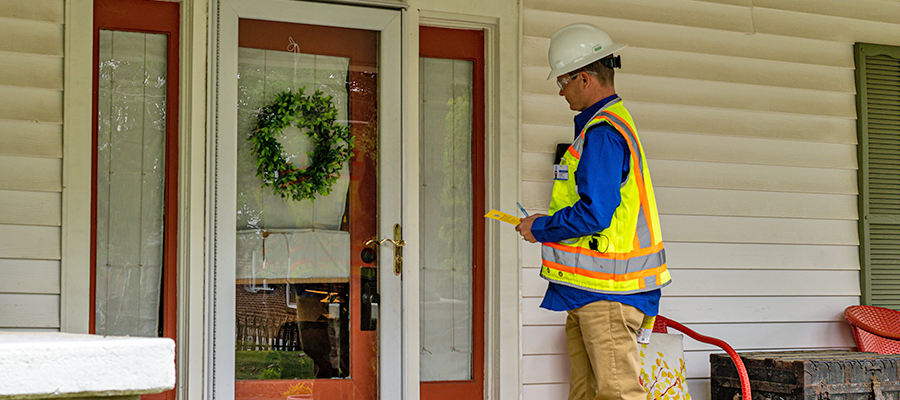
When the Public Becomes a Jobsite Hazard
Utility field professionals are trained to recognize hazards. Before work begins, they may assess traffic, electrical exposure, terrain, weather, vegetation conditions, and other factors that could affect their safety.
But not every hazard is physical or immediately visible.
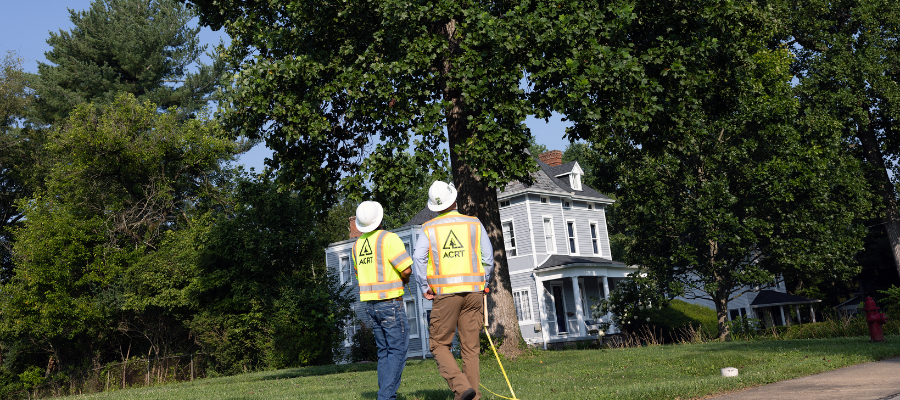
Recent events have underscored the risks utility employees and contractors can face simply by doing their jobs. In August, Southern California Edison employees and contractors performing tree trimming work in Mentone, Calif., were reportedly fired upon by a nearby resident. Fortunately, none of the workers were injured.
Incidents like this represent an extreme. But difficult interactions with property owners and members of the public are something utility field professionals may encounter more regularly. Disagreements about vegetation work, property access, or other utility activities can change the dynamics of an otherwise routine assignment.
Recognizing that potential is an important part of field safety.
Expand the Definition of Hazard Recognition
Situational awareness is fundamental to utility work, but hazard assessments should extend beyond traditional jobsite risks. People and surroundings matter, too.
Before entering a property or beginning a conversation, employees should take note of their environment. Is someone already displaying signs of agitation? Are there loose animals or other potential hazards? Is there unusual activity around the property? Is there a clear way to leave if needed?
The same awareness should continue throughout the interaction. A routine conversation can change quickly, and recognizing that shift early gives employees an opportunity to respond before the situation escalates.
Treat Communication as a Safety Skill
Field employees are often the face of the utility to the public, even when they work for a contractor or consulting partner.
A property owner may not distinguish between the person assessing a tree, the crew performing the work, and the utility that authorized it. To them, the person standing at their door or along their property represents the process.
That makes communication more than a customer service skill. It can be a safety tool.
Clearly explaining who you are, why you are there, and what work is being evaluated can help prevent misunderstandings. Listening is equally important. When frustration develops, employees can help keep the situation from escalating by remaining calm, maintaining appropriate physical distance, and avoiding argumentative responses.
The objective is not to win an argument. It is to keep a difficult conversation from becoming a dangerous one.
Know When to Walk Away
De-escalation has limits.
Threatening language, aggressive behavior, mention or display of a weapon, attempts to prevent an employee from leaving, or other significant changes in behavior should immediately change the priority.
Completing the inspection or resolving the disagreement can wait. Safety cannot.
Employees need to know they have permission to disengage when they believe a situation is becoming unsafe. That may mean returning to a vehicle, leaving the property, contacting a supervisor, or involving law enforcement when appropriate.
Walking away from an assignment is not a failure to complete the job. When conditions become unsafe, it is a safety decision.
Prepare Before an Incident Occurs
Expecting employees to make good decisions in difficult situations starts with preparing them before those situations occur.
Organizations should establish clear expectations for handling confrontational interactions and make sure employees understand when and how to escalate concerns. Training can include recognizing warning signs, communication and de-escalation techniques, procedures for disengaging, emergency contacts, and expectations for reporting an incident.
The Occupational Safety and Health Administration (OSHA) identifies working alone or in isolated areas as a potential workplace violence risk factor. OSHA also recommends measures such as threat-recognition and conflict-resolution training, nonviolent responses, and access to assistance.
For field employees who regularly work independently and interact with the public, those considerations should be part of the broader safety conversation.
Learn From Every Interaction
Safety does not end when an employee drives away.
Threats, aggressive encounters, and other concerning interactions should be documented and communicated through the appropriate channels. Information from one employee may help protect the next person assigned to the same property or area.
Documentation can also help organizations identify patterns and determine whether procedures need to change. Repeated conflicts associated with a certain type of work, location, or circumstance can provide valuable information for planning future assignments.
Just as utilities use field observations to identify vegetation and asset risks, information about public interactions can help identify another category of field risk.
Everyone Goes Home Safely
Utility vegetation management requires employees to make decisions in dynamic environments every day. The hazards may change from one property to the next, but the priority should remain consistent.
No inspection, tree assessment or completed assignment is more important than an employee’s safety.
Creating a safer field environment means preparing employees to recognize when an interaction is changing, giving them tools to communicate effectively and reinforcing that they can disengage when conditions become unsafe.
For employees who spend their days working in communities and interacting with property owners, public interactions deserve a place in the safety conversation.
Sometimes the most important safety decision is knowing when not to continue the work.
At ACRT, safety is foundational to how we approach our work. That means giving employees the training, support, and confidence to recognize changing conditions and make the safest decision, even when that means walking away. Because no assignment is more important than making sure everyone goes home safely.