

Prioritizing Wildland Fire Safety in Utility Vegetation Management
Prioritizing Wildland Fire Safety in Utility Vegetation Management
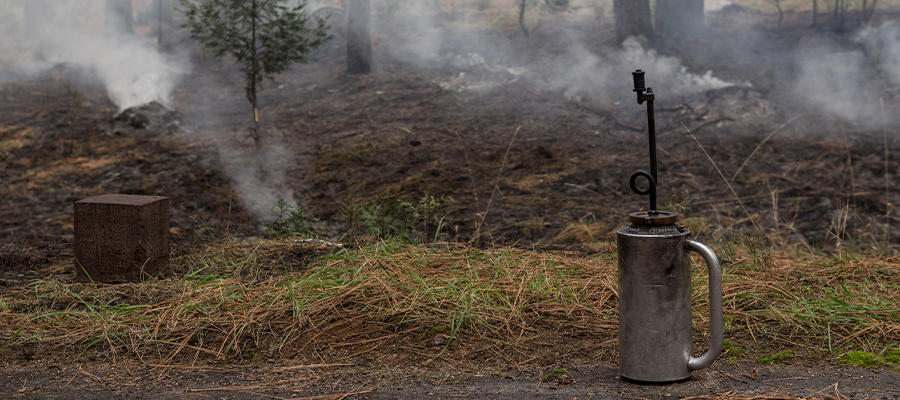
Wildland fire safety is an essential priority for organizations in the utility vegetation management (UVM) industry. The threat of wildland fires continues to rise, with the 2021 fire season exemplifying the critical need for effective safety plans and proactive measures. With over 59,000 wildfires burning more than 7 million acres across the U.S. in that year alone, the urgency for comprehensive fire safety plans is clear. As organizations work in environments susceptible to fire risks, these plans serve as both a safeguard for personnel and a defense against costly environmental and infrastructure damage.
Understanding the Landscape of Wildland Fires
Fire susceptibility varies widely across the United States. According to historical data, most regions face some level of wildland or prairie fire risk. Areas such as the western United States — including northern California and the Pacific Northwest — often experience catastrophic fires due to dry climates and dense vegetation. Meanwhile, the southeastern United States sees frequent, albeit smaller, fire events driven by its grassland ecosystems and high humidity. For instance, in 2021, northern California suffered devastating fires like the Dixie and Caldor Fires, which collectively burned hundreds of thousands of acres.
Geographic regions, as defined by Geographic Area Coordination Centers, offer insight into fire trends and preparedness. For example, the southern area, encompassing states from Texas to Virginia, reported the highest number of total fire incidents in 2021. This underscores the need for tailored safety measures based on regional risks and fire behavior.
The Role of Utility Vegetation Management
Utility vegetation management intersects with wildland fire safety in critical ways. Improperly maintained vegetation near powerlines and other infrastructure can ignite or exacerbate fires. By addressing risks proactively, UVM professionals can reduce fire hazards, improve public safety, and mitigate service disruptions.
Key strategies include:
- Routine Inspections and Maintenance: Regular monitoring of vegetation near utility lines ensures that hazardous conditions, such as overgrown or dead trees, are addressed promptly.
- Integrated Technology: Tools like remote sensing and predictive analytics enable teams to identify fire-prone areas more accurately.
- Training and Communication: Ensuring field crews understand their roles in fire prevention and response is vital. Daily safety briefings, tailboards, and job hazard analyses incorporate fire safety protocols into routine operations.
Know You’re Doing It Right
Get our UVM best practices overview now.
Developing a Robust Wildland Fire Safety Plan
A wildland fire safety plan serves as the backbone of an organization’s preparedness. It encompasses prevention, active response, and recovery measures to minimize risks and ensure safety during fire events. Here are the foundational components of an effective plan:
1. Purpose and Scope
The plan’s primary goal is to reduce the likelihood of fire incidents and outline clear response protocols for personnel. It should address:
- Fire prevention measures, such as guidelines for equipment use during high fire-risk periods.
- Emergency response steps, including evacuation protocols and communication pathways.
- Post-fire recovery plans to restore operations and infrastructure.
2. Incorporating Equipment Safety
Equipment used in UVM — such as chainsaws, chippers, and vehicles — can inadvertently ignite fires if not properly maintained or used inappropriately. A comprehensive fire safety plan includes protocols for:
- Ensuring spark arresters are installed and functional.
- Prohibiting equipment use in high-risk conditions, such as during extreme heat or wind.
- Conducting routine equipment inspections to mitigate risks.
3. Behavioral Protocols
Human behavior significantly impacts fire safety outcomes. Clear communication and consistent training help crews internalize fire safety practices. Behavioral protocols should include:
- Daily pre-job briefings to assess fire risks.
- Drills and simulations to reinforce emergency response steps.
- Clear guidelines for reporting and mitigating hazards encountered in the field.
4. Emergency Response Steps
When fires occur, the safety of personnel and the public must be the top priority. A fire safety plan should detail:
- Immediate actions to ensure personal safety, such as evacuating the area and alerting emergency services.
- Steps for containing small fires when feasible, such as using fire extinguishers.
- Communication protocols to notify supervisors and relevant agencies.
Supporting Documents and Regional Considerations
Wildland fire safety plans should align with regional regulations and best practices. Supporting documents may include:
- State and local fire prevention guidelines.
- Federal land management policies from agencies like the U.S. Forest Service and Bureau of Land Management.
- OSHA fire safety standards relevant to workplace operations.
Additionally, collaboration with local governments and municipalities strengthens fire prevention and recovery efforts. For example, joint exercises with local fire departments can enhance response coordination during emergencies.
The Importance of Regular Plan Reviews
A static plan is an ineffective plan. Wildland fire safety plans should be reviewed biannually to account for:
- Seasonal fire risks, such as increased wildfire activity during dry months.
- Changes in technology, including new tools or techniques for fire prevention.
- Lessons learned from recent fire events, which can highlight areas for improvement.
Wildland Fire Safety: A Collective Responsibility
Wildland fire safety is not the sole responsibility of field crews or safety managers — it requires organizational commitment at every level. From executive leadership to contractors, every individual plays a role in reducing fire risks and responding effectively to emergencies. Moreover, fostering partnerships with external stakeholders, such as local fire departments and regional coordination centers, enhances overall resilience.
As the frequency and severity of wildland fires increase, organizations in the UVM industry must prioritize safety through proactive measures and comprehensive planning. A well-executed wildland fire safety plan not only protects lives and property but also demonstrates a commitment to environmental stewardship and operational excellence. By embracing these practices, the UVM industry can contribute meaningfully to wildfire mitigation and community safety.
ACRT emphasizes the need for continuous improvement in safety practices. By integrating fire safety plans into broader safety programs, organizations can build a culture of preparedness and accountability. Learn more about how ACRT can help enhance your safety practices and foster a culture of resilience and responsibility.
Related Articles

Servant Leadership in Utility Vegetation Management By C. Troy Ross, President, ACRT and ACRT Pacific On a chilly Monday morning, a utility vegetation management crew gathers for their weekly briefing. Instead of launching into instructions, their supervisor begins by asking each team member how they’re doing. One mentions a child’s illness, another shares excitement about[...]
Read More
Turning Vegetation Waste into Opportunity By Aana Agrawal, Sustainability and Resilience Manager, EnviroScience The utility vegetation management (UVM) sector plays a crucial role in ensuring the smooth transmission of power across regions and cities by keeping plant growth under control within the vicinity of transmission and distribution lines. However, unrefined vegetation maintenance practices often focus[...]
Read More