

Crisis to Control: Emergency Preparedness in UVM
Crisis to Control: Emergency Preparedness in UVM
In an era marked by increasing natural disasters, utility vegetation management (UVM) is at the forefront of protecting lives, property, and infrastructure. Emergencies like wildfires, hurricanes, and ice storms have underscored the importance of proactive planning, timely response, and community collaboration. Companies such as ACRT are setting benchmarks in emergency preparedness with their specialized teams, like the ACRT Ready Force®, and comprehensive vegetation management strategies. This article delves into the critical role of UVM in emergency preparedness and highlights effective strategies to mitigate risks.
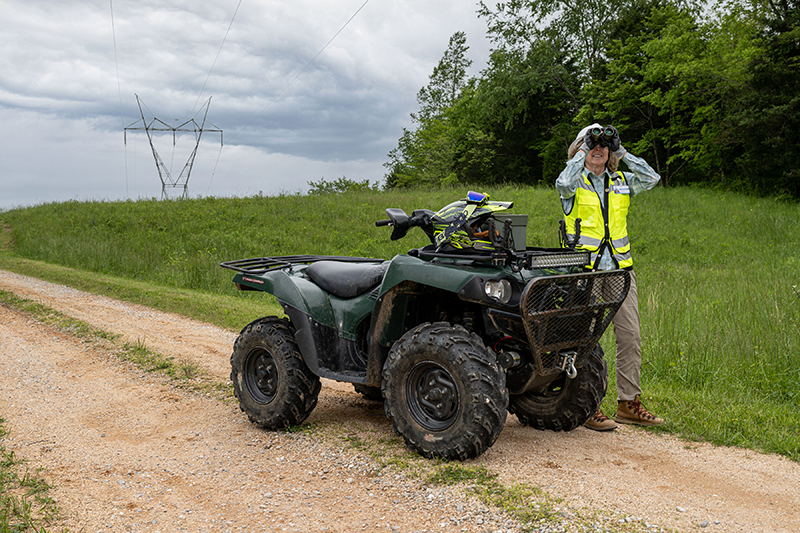
How Does Storm Response Work?
Get answers in this storm/emergency response overview.
The Landscape of Vegetation Management Emergencies
What Constitutes an Emergency?
Emergencies pose immediate risks to health, life, property, or the environment. Whether stemming from natural disasters, technological accidents, or societal crises, they demand swift intervention. In the context of UVM, emergencies often revolve around the following:
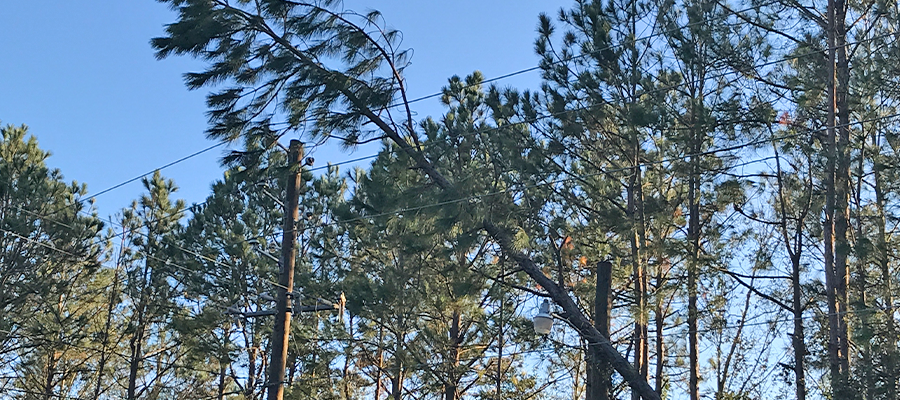
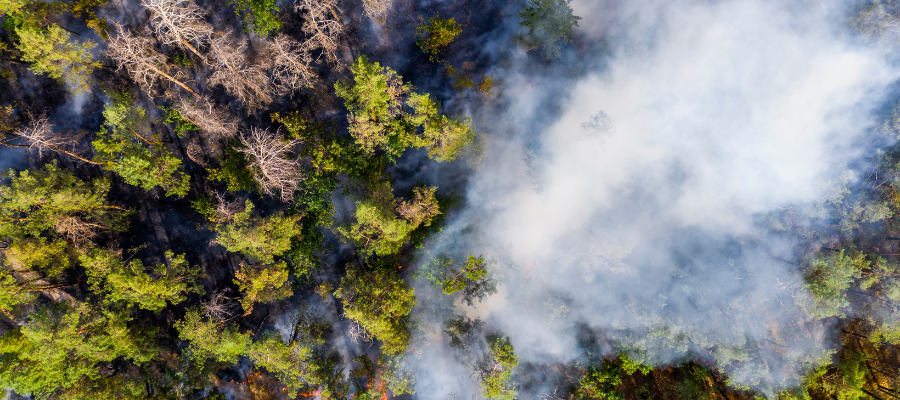
- Wildfires: Overgrown vegetation acts as fuel, escalating fire intensity and spread. Contact between trees and electrical equipment can ignite fires, leading to catastrophic outcomes.
- Storm-Related Outages: Hurricanes, ice storms, and high winds can cause branches to fall on power lines, resulting in widespread power disruptions.
- Obstructed Access: Dense vegetation can block roads, pathways, and access points, complicating emergency responses and repairs.
- Environmental Impact: Poor vegetation management can lead to waterway blockages, flooding, and biodiversity loss.
Case Study: The Camp Fire, Paradise, California
The 2018 Camp Fire in Paradise, California, highlights the devastating impact of inadequate vegetation management. With overgrown vegetation, dead trees, and severe drought conditions, the region became a tinderbox. The fire claimed 85 lives, destroyed 18,000 structures, and consumed over 153,000 acres. The tragedy underscored the importance of proactive UVM, emergency preparedness, and resilient community planning.
Proactive Emergency Preparedness Strategies
Risk Assessment and Planning
Comprehensive risk assessments like Threat Hazard Identification and Risk Assessment (THIRA) are essential. This process involves:
- Identifying Threats: Evaluate natural hazards like wildfires and storms, as well as human-induced risks such as construction damage.
- Assessing Vulnerabilities: Analyze community, infrastructure, and environmental vulnerabilities.
- Prioritizing Risks: Use risk matrices to categorize and prioritize threats based on their likelihood and impact.
The THIRA framework allows communities and organizations to allocate resources effectively, ensuring high-risk areas receive the necessary attention. By implementing systematic risk evaluations, utility companies can prepare better for vegetation-related emergencies.
Long-Term Vegetation Management
Effective UVM demands sustained efforts:
- Preventative Maintenance: Regular trimming, clearing around power lines, and removal of hazardous trees are fundamental to mitigating risks. For example, consistent vegetation management in high-risk fire zones significantly reduces ignition likelihood.
- Technological Integration: Utilizing Geographic Information Systems (GIS), remote sensing, and drones provide real-time data for efficient monitoring and planning. These tools enable utility companies to preemptively address areas of concern before they escalate.
- Adaptive Strategies: Flexibility in responding to changing environmental conditions ensures long-term success. Adaptive management frameworks enable organizations to adjust their strategies based on emerging trends and data.
Community Engagement
Community involvement amplifies the effectiveness of vegetation management. Initiatives include:
- Education Campaigns: Raising awareness about the importance of UVM equips residents with knowledge about risk factors and preventative actions.
- Volunteer Programs: Encouraging local participation in maintenance and monitoring fosters a sense of ownership and collaboration.
- Partnerships: Collaborating with schools, businesses, and local organizations extends the reach and impact of vegetation management efforts. Community partnerships also serve as force multipliers during emergencies, bolstering response capabilities.
Continuous Training and Certification
Professionals in UVM require ongoing education to stay updated on best practices, regulations, and emerging technologies. Certifications such as ISA Certified Arborist or Federal Emergency Management Agency (FEMA) courses enhance skills and ensure regulatory compliance. ACRT’s comprehensive training programs demonstrate how targeted education can bolster emergency preparedness, providing tools for both prevention and efficient response.
Responding to Emergencies: ACRT’s Ready Force®
ACRT is a leader in storm and emergency vegetation management. The ACRT Ready Force® team is a dedicated, nationwide network of certified arborists and vegetation management experts. They are trained to provide:
- Rapid Deployment: Mobilization of specialized teams to disaster-affected areas, ensuring timely restoration efforts.
- Comprehensive Services: From clearing debris to restoring power lines and infrastructure, their expertise spans various critical needs.
- Proactive Mitigation: Assessing vulnerabilities and implementing strategies to prevent future incidents is integral to their approach.
The Ready Force® operates as an essential extension to utility companies, ensuring swift restoration and minimizing downtime after emergencies. Their capability to respond quickly and efficiently reduces the duration of outages and supports community resilience.
Building Resilience Through Vegetation Management
Environmental and Ecological Benefits
Proactive vegetation management strengthens ecosystems by:
- Biodiversity Conservation: Controlling invasive species and fostering native habitats ensures a balanced and thriving ecosystem.
- Erosion Control: Managing vegetation along waterways reduces soil erosion and improves water quality, benefiting both the environment and local communities.
- Wildfire Risk Reduction: Maintaining defensible spaces around communities significantly decreases the likelihood of fire spread, safeguarding lives and property.
Community Preparedness and Resilience
Integrating UVM into broader emergency preparedness frameworks ensures:
- Effective Evacuation Planning: Clear roads and pathways facilitate safe evacuations during emergencies, reducing risks to residents and first responders.
- Enhanced Communication Systems: Coordinated efforts among utilities, local governments, and residents streamline responses, ensuring clarity and efficiency.
- Improved Recovery: Efficient vegetation management reduces recovery time and costs post-disaster, helping communities rebound faster.
These strategies collectively build a resilient framework capable of mitigating risks and ensuring community safety during emergencies.
Lessons Learned and Future Directions
The increasing frequency and intensity of natural disasters necessitates a shift from reactive to proactive strategies in UVM. Key lessons include:
- Comprehensive Planning: Emergency preparedness must encompass risk assessments, community education, and ongoing training.
- Collaboration: Partnerships with organizations like ACRT amplify the reach and effectiveness of vegetation management efforts, creating a unified front against emergencies.
- Adaptability: Leveraging technology and flexible strategies ensures resilience in the face of evolving challenges.
A Call to Action
The utility vegetation management industry plays a pivotal role in safeguarding communities from emergencies. By prioritizing proactive planning, investing in training, and fostering community collaboration, we can transform crises into opportunities for growth and resilience. Organizations like ACRT and the Ready Force® team set a powerful example of how expertise and preparedness can turn challenges into solutions, protecting both people and the environment.
Proactive vegetation management is more than a preventive measure; it is a cornerstone of community resilience. Through collaboration, innovation, and unwavering commitment, the industry can lead the way in creating safer, more prepared communities.
Related Articles
Wildfire Risk & Defensibility: When Risk Becomes Liability By Bob Urban, Senior Account Manager, ACRT Services Every wildfire season raises the same question for utilities: Are we prepared? As wildfire frequency, intensity, and public, investor, and insurer scrutiny continue to increase, utilities face growing pressure to demonstrate not only that they managed vegetation risks, but[...]
Read More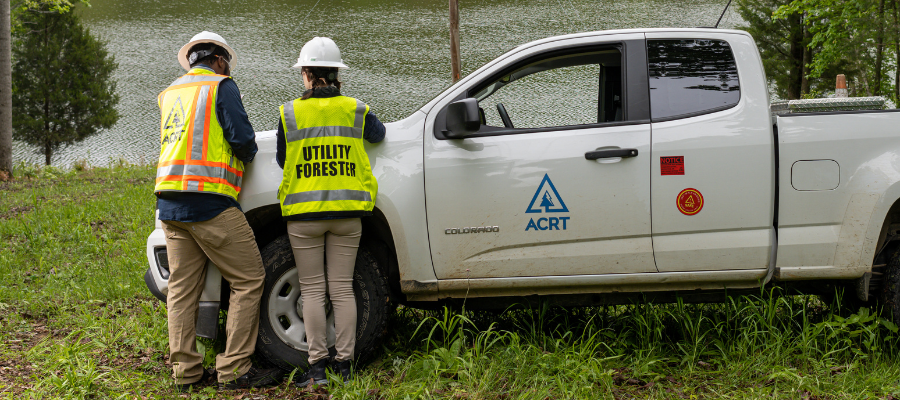
Shared Vision, Shared Success: Building a Utility Team Culture By Anna Davis, Operations and Fleet Manager, ACRT What are examples of a good team? I bet you can think of a year that your favorite sports team was really clicking, where they seemed unstoppable. The truth is, a team can be anywhere. Across departments, across[...]
Read More