

Herbicide Safety: The Importance of the Right Herbicide in the Right Place and Time
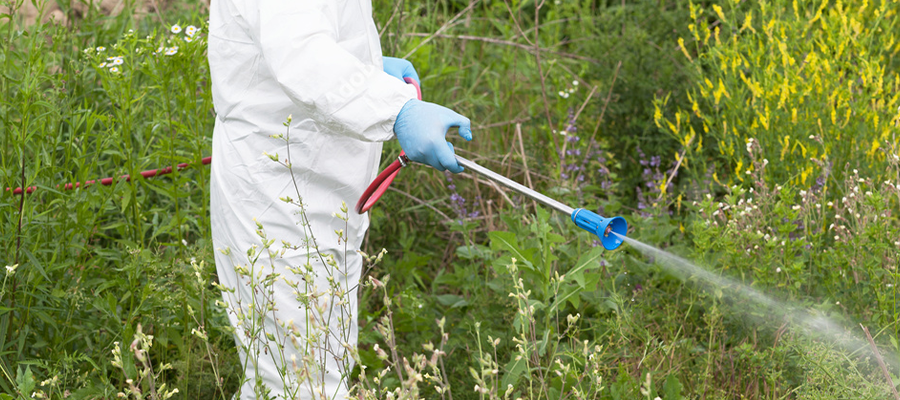
Herbicide Safety: The Importance of the Right Herbicide in the Right Place and Time
By Joshua Musgrove, Senior Consulting Utility Forester 1, ACRT
Herbicides first found commercial use after the end of the Second World War, where their introduction revolutionized the agricultural industry. Since then, herbicides of all kinds have been developed to solve a variety of different issues found at the intersection of humanity and the natural world.
Herbicides are often categorized according to their chemical structure, the mechanisms by which they impact plants, the appropriate timing of their use, and their method of application. Some herbicides are long-lasting, while some can be exceptionally short-lived. Some impact a set of specific species and nothing else, while others kill plants indiscriminately. Some herbicides can even be toxic to non-plant organisms, like wildlife and even humans.
Given their wide range of uses and their impacts, it is important to be sure that when herbicides are called for, the right kinds are chosen and applied using best practices. The focus of this article will highlight the potential negative impacts of improper herbicide selection, application, and maintenance.
The first issue is the effects on human health. Herbicides can exhibit both acute and chronic toxicity. Applying acutely toxic herbicides in situations where unprotected humans are present can lead to serious health issues, and in the worst case, death. The same issue can arise if an herbicide with chronic exposure toxicity and a high persistence — the length of time the herbicide is potent after application — is used in an area with regular human occupancy. Even though there will be no effects in the short term, serious health consequences for humans could arise years or even decades later.
The second issue is the potential ecological effects of herbicide misuse. Improper herbicide selection, overapplication, and poor application timing can lead to serious and sometimes irreversible damage to the surrounding environment and ecosystem. An herbicide with too broad a species impact can lead to unintended defoliation of the area, leading to serious impacts on the wildlife that use the plants for shelter and food. Some herbicides can also harm or kill present insect species as well as birds and mammals in the area, which can have far-reaching consequences for other uninvolved environments. Overapplication can also lead to herbicides being carried off-site by wind, rain, or organismal activity, damaging neighboring ecosystems, polluting groundwater, and leading to even further damage.
The fourth issue is mismatching the mechanism of action. Some species of plants respond strongly to photosynthesis-inhibiting herbicides, while others only respond to amino acid disruption. Knowing which mechanism or combination of mechanisms will work best for your target species is crucial to efficiently curb problems and reduce overall usage of herbicides, which can cut down on unwanted environmental impacts. The last issue is the concept of resistance. Much like the human body and disease, plants — and more importantly, target species — can develop a resistance to herbicides. According to the International Herbicide-Resistant Weed Database, of the 31 known modes of herbicide action, weeds have been found to have developed resistance to 21 of them — over two-thirds! Resistance development is often attributed to overuse and overreliance on a single herbicide.
Herbicide usage can be quite a bit more complicated than it seems at first glance. This is why it is important to do all research necessary to safely and effectively utilize these vegetation management tools, and leave the application to trained professionals with an herbicide applicator license. Understanding the dangers and risks of herbicide usage can help protect both us as well as the world we live in for the future.
Want to dive deeper? Watch our webinar on herbicide safety for essential tips on safe handling and earn 1 ISA CEU.
This article was originally published in the 2025 May/June edition of the UAA Newsline.
Related Articles



Wildfire Risk & Defensibility: When Risk Becomes Liability By Bob Urban, Senior Account Manager, ACRT Services Every wildfire season raises the same question for utilities: Are we prepared? As wildfire frequency, intensity, and public, investor, and insurer scrutiny continue to increase, utilities face growing pressure to demonstrate not only that they managed vegetation risks, but[...]
Read More
Shared Vision, Shared Success: Building a Utility Team Culture By Anna Davis, Operations and Fleet Manager, ACRT What are examples of a good team? I bet you can think of a year that your favorite sports team was really clicking, where they seemed unstoppable. The truth is, a team can be anywhere. Across departments, across[...]
Read More