
Tree Crew Audits and Assessments: Key Differences and Benefits
Tree Crew Audits and Assessments: Key Differences and Benefits
The arboricultural industry operates in high-risk environments where safety and efficiency are paramount. Conducting thorough safety audits and worker assessments can significantly enhance crew performance and workplace safety. This article explores the distinctions between assessments and audits, the role of contractors versus internal resources, and the essential strategies for implementing effective programs.
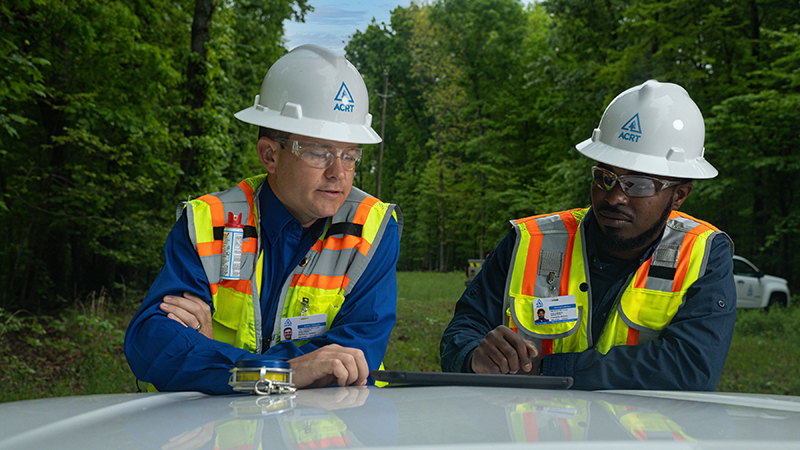
Master Work Planning with CUFs
See how CUFs transform work planning and auditing.
Assessments vs. Safety Audits: Understanding the Difference
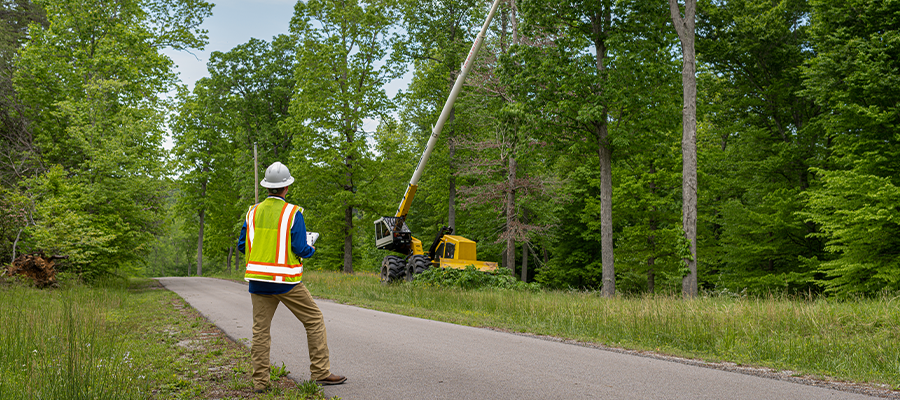
Assessments focus on observing crew work behaviors and job proficiency. For example, assessing whether a bucket operator is correctly positioned and using proper safety equipment is an essential part of this process. Safety audits, on the other hand, evaluate safety-driven behaviors, such as ensuring wheel chocks are in place and chainsaws are handled safely. While both methods are critical, audits are more compliance-oriented, while assessments delve into proficiency and behavior.
Contractors vs. Internal Resources
Organizations may choose between third-party contractors and internal resources to conduct audits and assessments. Contractors, often less intrusive, focus on observation and intervene only in life-threatening situations. Internal resources, familiar with the organization’s culture, can offer tailored feedback and immediate corrections. Both play vital roles, depending on the organization’s goals and resources.
The Importance of Data Collection
Data collected during audits and assessments serve multiple purposes:
- Safety Improvements: Identifying patterns, such as improper use of wheel chocks, allows organizations to address training gaps.
- Performance Metrics: Monitoring trends across individuals, crews, and groups helps establish a consistent safety culture.
- Regulatory Compliance: Documented audits provide evidence of safety practices, mitigating legal and insurance risks.
For instance, organizations with a haphazard approach to safety face higher scrutiny from regulators and insurers, impacting their reputation and bottom line.
Key Metrics for Audits and Assessments
When evaluating tree crews, consider the following:
- Individual Proficiency: Can workers operate equipment like chainsaws and chippers correctly? Are they adhering to safety protocols, such as proper tie-ins during tree ascents?
- Crew Dynamics: Does the crew communicate effectively? Are roles clearly defined to minimize risks?
- Group Consistency: Do safety practices align across teams under a general foreman?
Tools and Methods for Effective Implementation
A successful program relies on clear communication and systematic data collection. Organizations can use traditional paper forms or digital tools, with the latter offering advantages like real-time data sharing and secure cloud storage.
Leveraging Industry Resources
Several industry resources can support tree crew audits and assessments. The Tree Care Industry Association (TCIA) provides best practices, certifications, and safety training programs tailored to arborists. The International Society of Arboriculture (ISA) offers education, credentialing, and guidelines for enhancing safety and operational excellence. Additionally, the ANSI Z133 Safety Standards outline essential safety requirements for arboricultural operations, serving as a benchmark for compliance and risk mitigation. Leveraging these resources can help organizations implement effective safety programs and foster a culture of continuous improvement.
Training and Feedback
Addressing training gaps is one of the most impactful outcomes of audits and assessments. Regular feedback sessions help workers improve their skills and align with organizational safety standards. For example, a worker repeatedly misplacing wheel chocks might benefit from hands-on training rather than punitive measures.
Building a Culture of Safety
Introducing a safety program requires careful planning and communication. Workers must understand that the initiative aims to enhance their safety and performance, not penalize them. Providing consistent feedback, recognizing positive behaviors, and addressing issues constructively fosters a culture of trust and accountability.
Leveraging Data for Growth
Beyond improving safety, audits and assessments can identify potential leaders within the workforce. Workers demonstrating high proficiency and safety standards can be mentored for leadership roles, fostering internal growth and succession planning.
Conclusion
Safety audits and worker assessments are not just compliance tools; they are strategic instruments for enhancing safety, performance, and organizational growth. By implementing a structured program, arboricultural organizations can minimize risks, improve efficiency, and build a skilled, safety-conscious workforce.
By fostering a consistent and transparent safety culture, the industry can set benchmarks for excellence, ensuring the well-being of workers and the communities they serve.
Ensure your crews are working safely and efficiently with the support of industry-leading expertise. At ACRT, we specialize in customized safety auditing and worker assessment programs that align with your organization’s goals. Our services are designed to identify training gaps, enhance performance, and foster a culture of safety and growth.
Ready to elevate your safety standards? Contact ACRT today to learn more about our tailored solutions for arboricultural teams.
Related Articles
What Does Quality Really Cost in Utility Vegetation Management? By David Burke, Director of Operations, ACRT Quality is an expectation in utility vegetation management (UVM), but achieving it requires an investment. Training employees, planning work, communicating with customers, inspecting work, and reviewing performance all carry costs. But so do missed vegetation, work that does not[...]
Read More